How will the battery cycle?
Daily depth of discharge, reserve requirements, and calendar aging assumptions influence lifetime throughput and replacement planning.
Sustainability
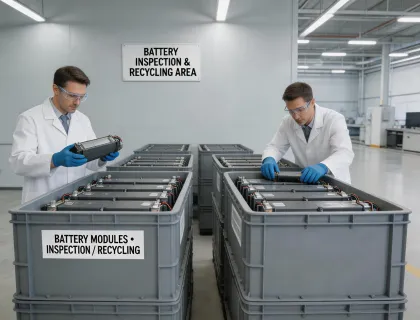
Catl treats sustainability as an operating responsibility, not a slogan. Battery storage can help renewable generation serve evening loads, reduce curtailment, and support resilient power systems, but every project still deserves careful lifecycle thinking. Chemistry, enclosure design, service access, transport requirements, recycling routes, and operating data all affect the real environmental profile of a storage asset.

"The most credible storage asset is one whose safety, performance, and end-of-life assumptions can be explained without exaggeration."
That belief guides how Catl frames sustainability conversations. LFP chemistry can offer strong thermal stability compared with many NMC applications, yet it still requires proper system design, spacing, monitoring, and emergency planning. A battery can improve renewable utilization, yet its value depends on the grid where it operates. A long warranty can support responsible ownership, yet maintenance and data review are still necessary. Catl's role is to keep those details visible so teams can build projects that are both useful and reviewable.
Responsible planning
Daily depth of discharge, reserve requirements, and calendar aging assumptions influence lifetime throughput and replacement planning.
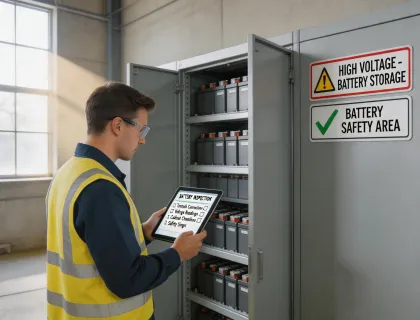
UL 9540A, IEC 62619, UN 38.3, enclosure layout, HVAC design, and emergency response documents should be reviewed by qualified professionals.
Service access, spare modules, monitoring alarms, firmware processes, and clear maintenance ownership reduce avoidable waste.
Community and operations
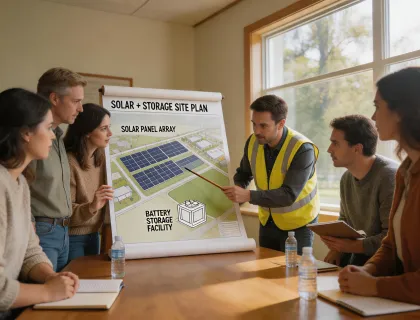
Sustainability review
Share your use case and Catl will help frame the battery storage evidence your stakeholders should examine.