Application sizing
Translate daily cycling, peak shaving, backup, or grid dispatch goals into usable capacity and C-rate assumptions.
Services
Catl's service model is built for organizations that need conservative engineering, clear handoffs, and documentation that survives bankability review. Rather than pushing a single cabinet or module list, the project desk starts with load profile, grid code, reserve requirement, available footprint, fire safety route, and desired commercial operation date. That creates a shared basis of design before procurement, permitting, and construction teams commit capital.
Share Project Scope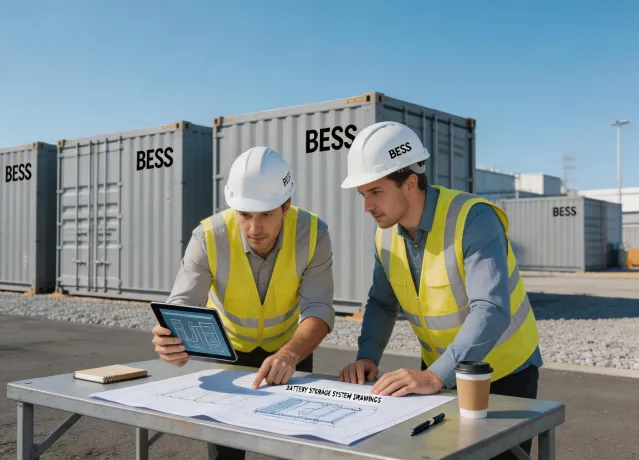
Service overview
Translate daily cycling, peak shaving, backup, or grid dispatch goals into usable capacity and C-rate assumptions.
Prepare UL 9540A, IEC 62619, UN 38.3, spacing, thermal management, and emergency response inputs for stakeholder review.
Coordinate BMS, PCS, EMS, SCADA, and communication protocol boundaries before the site bill of materials freezes.
Define spares, firmware review, maintenance intervals, degradation tracking, and warranty evidence for operating teams.
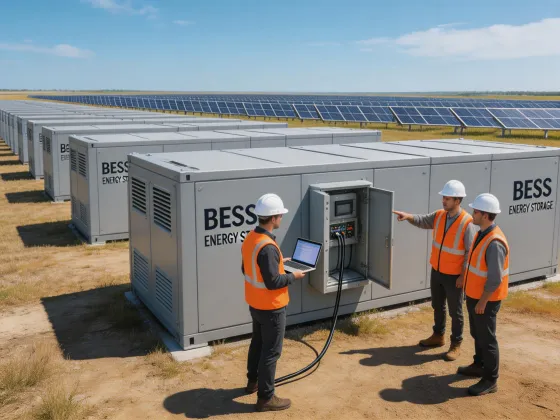
For utility-scale storage, Catl helps teams confirm the battery block, PCS interface, HVAC assumptions, and site safety package before purchase orders become difficult to change. The work is deliberately specific: usable kWh is separated from nominal capacity, expected round-trip efficiency is discussed by duty cycle, and end-of-life retention is tied to warranty language. That level of clarity helps owner engineers, lenders, and construction managers evaluate the same technical baseline.
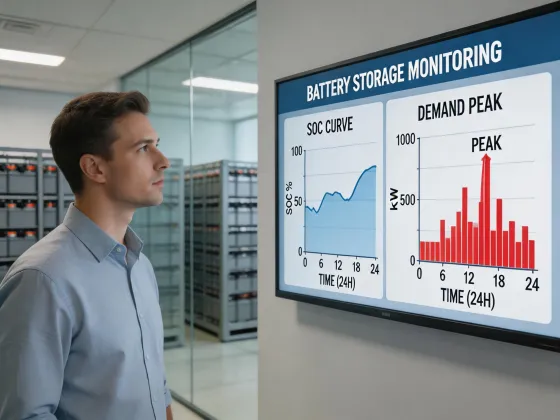
Commercial and industrial buyers often need storage to do more than one job. The same system may reduce demand charges, support resilience, and prepare for future solar expansion. Catl service teams document the control logic, alarm expectations, maintenance access, and monitoring outputs so facility managers are not left with a black box after installation. The tone stays practical because reliable storage is measured by repeatable operating behavior, not by a dramatic brochure claim.
Request engineering input
Share the site size, interconnection region, operating goal, target COD, and any preferred inverter or EMS partners. The first response will focus on the questions that reduce procurement and commissioning risk.